Steel vs Galvanized Steel – Which Is Better for Framing?
Updated: Jul 21

Steel vs Galvanized Steel – What are the differences?
Steel and galvanized steel are two terms that are frequently used in the construction industry. While they may sound similar, there are important differences between them in terms of durability, corrosion resistance, and long-term performance. Understanding these differences is especially important when choosing materials for interior and exterior framing systems.
What Is Steel?
Steel is an alloy primarily made from iron and carbon. It is widely used in construction due to its strength, structural stability, and versatility. Standard steel can be formed into many shapes and is commonly used in structural components, tools, and industrial products.
However, regular steel has one major disadvantage: it is highly susceptible to corrosion when exposed to moisture and environmental conditions. Over time, untreated steel can rust, which may weaken the material and reduce its lifespan.
What Is Galvanized Steel?
Galvanized steel is steel that has been coated with a protective layer of zinc through a process called galvanization. This zinc coating acts as a barrier that protects the steel from moisture and oxygen, significantly reducing the risk of corrosion.
In addition to forming a protective barrier, zinc also provides sacrificial protection. This means that even if the coating is scratched, the zinc will corrode first before the steel underneath begins to rust.
Because of this protective layer, galvanized steel is widely used in construction projects where durability and longevity are critical.
Key Differences Between Steel and Galvanized Steel
Some of the main differences between these two materials include:
Corrosion Resistance
Regular steel can rust when exposed to moisture. Galvanized steel has a zinc coating that protects it from corrosion.
Durability
Galvanized steel generally lasts longer in demanding environments due to its protective coating.
Maintenance Requirements
Standard steel may require additional coatings or regular maintenance to prevent rust. Galvanized steel typically requires much less maintenance.
Cost Efficiency Over Time
While galvanized steel may have a slightly higher initial cost, its longer lifespan and reduced maintenance needs often make it more cost-effective in the long run.
Which One Is Better for Interior and Exterior Framing?
When it comes to interior framing and exterior framing systems, galvanized steel is generally the preferred choice.
Framing components such as studs and tracks must maintain their structural integrity over time. In environments where humidity, temperature changes, or moisture may occur, corrosion can become a serious issue.
Using galvanized steel framing components helps ensure:
Longer service life
Better corrosion resistance
Lower maintenance requirements
Reliable structural performance
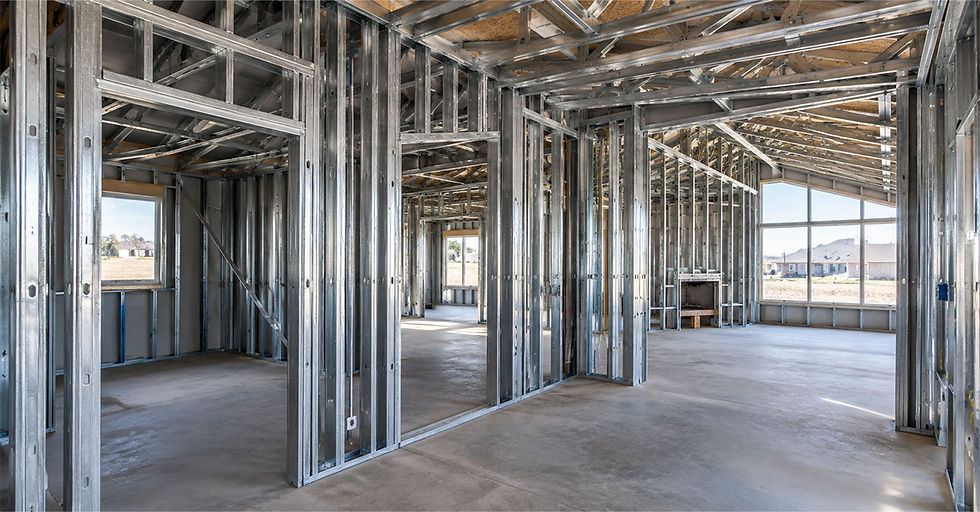
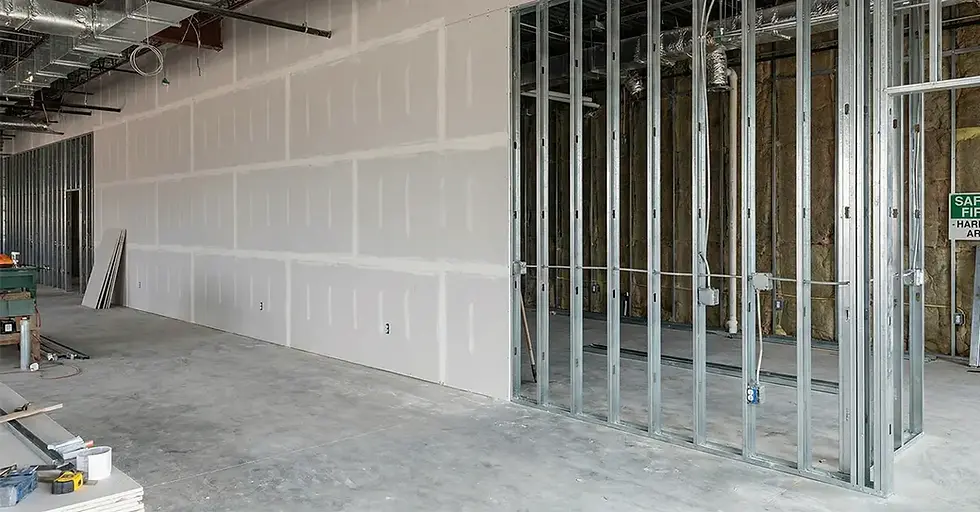
For these reasons, galvanized steel is widely used in modern drywall framing systems, both for interior and exterior applications.
Galvanized Steel Drywall Framing by UMS Metal
At UMS Metal, we manufacture high-quality drywall studs and tracks made from galvanized steel to ensure strength, durability, and long-term performance.
Our interior and exterior steel framing solutions are designed to meet demanding construction standards while providing reliable support for drywall systems.
If you are looking for durable framing components, we invite you to explore UMS Metal’s galvanized steel drywall studs and tracks and discover solutions built for modern construction.