Steel Stud Gauge Chart Explained: Choosing the Right Steel Stud Thickness
Updated: Sep 11
In steel framing systems, selecting the correct steel stud gauge is essential for ensuring structural stability, safety, and long-term performance. Builders, contractors, and engineers often rely on steel stud gauge charts to determine the appropriate stud thickness for different applications.
Understanding what steel stud gauges mean and how they affect strength and performance can help you choose the right framing components for your project.
What Does Steel Stud Gauge Mean?
In steel framing, gauge refers to the thickness of the steel used to manufacture the stud. The gauge number indicates how thick the metal is.
Unlike many measurement systems, a lower gauge number means thicker steel. This means that a 16-gauge stud is thicker and stronger than a 25-gauge stud.
Steel stud thickness plays an important role in determining load capacity, wall height limits, and structural performance.
Common Steel Stud Gauges
Steel studs are available in several gauges depending on the application and structural requirements. The most common gauges used in construction include:
Gauge | Approximate Thickness | Typical Application |
25 Gauge | ~0.018 in (0.46 mm) | Non-structural interior partitions |
22 Gauge | ~0.030 in (0.76 mm) | Heavier interior framing |
20 Gauge | ~0.034 in (0.86 mm) | Structural walls and higher load applications |
18 Gauge | ~0.043 in (1.09 mm) | Load-bearing walls |
16 Gauge | ~0.054 in (1.37 mm) | Heavy structural framing |
These values may vary slightly depending on manufacturing standards and building specifications.
How to Choose the Right Steel Stud Gauge
Choosing the correct steel stud gauge depends on several factors within a construction project.
Wall Height
Taller walls require thicker and stronger steel studs to prevent bending or deflection.
Load Requirements
If the wall will support additional weight such as cabinets, fixtures, or equipment, a heavier gauge stud may be necessary.
Structural vs Non-Structural Walls
Non-load-bearing interior partitions often use lighter gauges such as 25 or 22, while load-bearing walls typically require 20 gauge or thicker studs.
Building Codes and Engineering Specifications
Local building codes and engineering calculations always play a critical role in determining the appropriate stud gauge.
Why Steel Stud Gauge Matters
Selecting the right steel stud gauge ensures that your framing system provides:
Proper structural support
Long-term durability
Better resistance to bending or deformation
Compliance with construction standards
Using the correct gauge helps maintain the integrity and safety of the entire framing system.
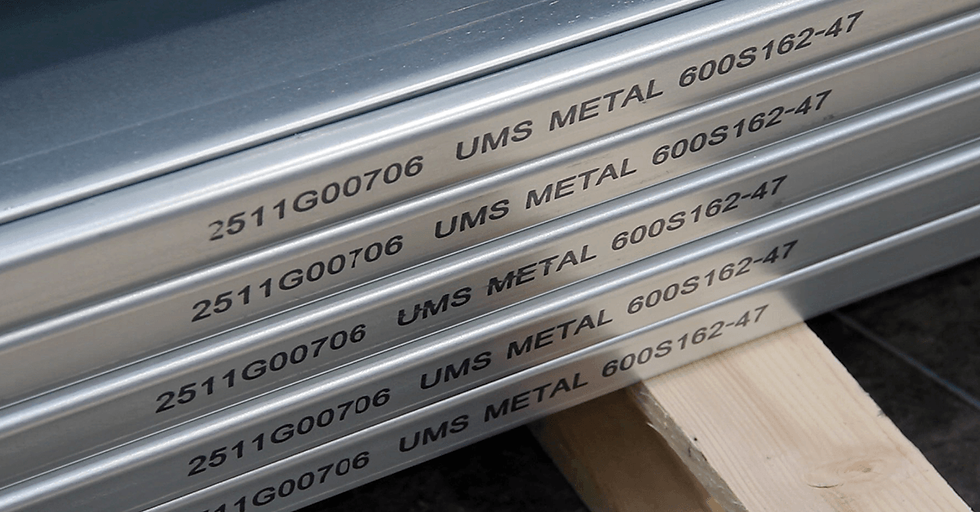
High-Quality Steel Studs by UMS Metal
At UMS Metal, we manufacture galvanized steel drywall studs and tracks designed for both interior and exterior framing systems.
Our products are produced in accordance with ASTM standards, ensuring consistent thickness, strength, and quality for modern construction projects.
If you are looking for reliable steel framing components for your next project, explore UMS Metal’s steel stud and track solutions to find durable products designed for professional construction needs.